Wondering why classic Rockridge homes seem to attract so much attention, and often so quickly? If you are thinking about buying or selling in this part of Oakland, it helps to understand that demand here is not based on just one feature. It comes from a rare mix of architecture, walkability, transit access, and a neighborhood identity that has stayed remarkably consistent over time. Let’s dive in.
Rockridge architecture stands out
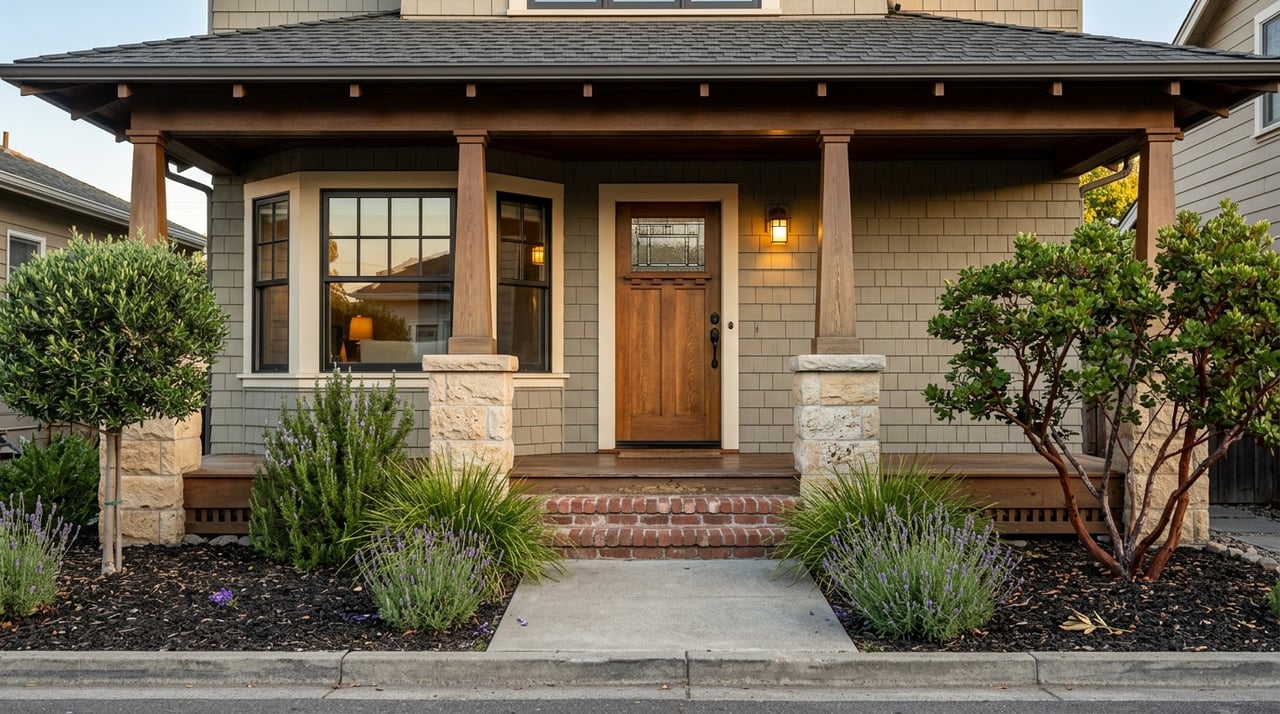
One of the biggest reasons classic Rockridge homes remain in demand is the neighborhood’s architectural identity. Rockridge developed as an early streetcar suburb, and according to the Rockridge Community Planning Council history article, Craftsman bungalows became the area’s most popular and most emblematic home style.
That matters because buyers are often drawn to homes that feel authentic to their setting. In Rockridge, much of the housing stock dates from the 1910s through the 1930s, and the APA California overview notes that this gives the neighborhood the feel of a coherent period district rather than a scattered collection of unrelated homes.
In practical terms, that means you are looking at a streetscape where scale, materials, and proportions often feel more connected than what you see in many newer neighborhoods. That consistency can be hard to recreate, which is part of the appeal.
Craftsman homes lead the conversation
Not every home in Rockridge is a Craftsman, but Craftsman bungalows are the style many buyers associate with the neighborhood first. These homes often stand out for details that people still value today, such as front porches, built-ins, woodwork, and a human-scale relationship to the street.
For buyers, that character can feel more lasting than trend-driven finishes. For sellers, it is a reminder that original design features are not just nostalgic touches. They can be meaningful market assets.
Character can support resale
The City of Oakland’s building and remodeling guidance specifically notes that built-in design assets can have resale value and encourages homeowners to renovate with a home’s history in mind. That is especially relevant in Rockridge, where classic design is part of what people are paying for.
When a home keeps its architectural identity while still feeling livable for today’s buyer, it often has broader appeal. That balance is a key part of why these properties continue to perform well.
College Avenue adds daily convenience
Architecture may draw buyers in, but everyday convenience helps sustain demand. Rockridge’s main commercial corridor is College Avenue, and both the Rockridge District Association and Oakland planning materials describe it as the neighborhood’s central spine for retail, restaurants, services, and other neighborhood-serving businesses.
That kind of setup changes how a neighborhood feels day to day. Instead of relying on a car for every errand, many residents can access dining, shopping, and services close to home.
Walkability is a real advantage
Buyer interest in walkable neighborhoods is not just anecdotal. Walk Score rates Rockridge at 90, supporting the idea that many daily errands can be handled on foot.
For many buyers, that walkability adds value in simple, practical ways. It can make daily routines easier, support a more connected neighborhood experience, and reduce the need to drive for basic needs.
BART strengthens the location
Transit is another major reason Rockridge homes stay in demand. BART’s Rockridge Station page places the station at 5660 College Avenue and notes service on the Antioch to SFIA/Millbrae line, along with AC Transit connections.
That direct transit access is a meaningful advantage in the East Bay. It gives buyers a neighborhood with a residential feel and a strong local business district, while still offering regional connectivity.
Neighborhood identity helps drive demand
Demand is often strongest in places that offer more than just attractive homes. Rockridge has a long-established neighborhood identity that adds to its appeal.
The Rockridge Community Planning Council notes that community planning efforts helped create amenities such as the library and Frog Park and contributed to Rockridge’s reputation as an urban-village neighborhood. That kind of long-term planning can matter to buyers because it reflects a place with durable structure, not just passing popularity.
When people talk about buying into a lifestyle, this is often what they mean. In Rockridge, the value proposition is not limited to the home itself. It also includes the surrounding framework of amenities, local businesses, transit, and a recognizable neighborhood core.
Market performance reflects that appeal
Strong demand tends to show up in market data, and Rockridge’s recent numbers support that pattern. According to Redfin’s February 2026 Rockridge housing market data, the median sale price was $2,637,500, up 20.2% year over year, and homes spent a median of 12 days on market.
Those numbers suggest a highly competitive environment. They also point to an important takeaway for sellers and buyers alike: Rockridge is desirable, but the market still responds to presentation, pricing, and timing.
Why buyers keep paying attention
At a broader level, the EPA’s smart growth review summarizes studies showing that walkable neighborhoods and transit access can support price premiums for single-family homes. While that is national research rather than a Rockridge-specific pricing study, it lines up with what makes this neighborhood distinctive.
Rockridge offers a rare overlap of period architecture, a walkable commercial corridor, and direct BART access. That combination is difficult to find in one place, which helps explain why interest remains strong.
Updates matter, but so does character
If you own a classic Rockridge home, one of the most important questions is how to modernize without weakening what buyers already love. Oakland’s homeowner guidance encourages renovation that respects a property’s history, and the city’s preservation framework is designed to help retain architectural character.
For many owners, that means focusing on updates that improve function while keeping core design elements intact. Kitchens, baths, systems, and efficiency upgrades can all add value, but they tend to work best when they do not erase the home’s original proportions and visual identity.
Preserve the features buyers notice
In neighborhoods known for classic homes, buyers often respond to features like porch presence, original window rhythm, exterior material character, and built-in details. These elements help a home feel rooted in its era, which is part of the emotional and financial value.
That does not mean a house has to remain unchanged. It means the most successful updates usually feel additive rather than disruptive.
Historic rules may also apply
Oakland notes that heritage properties may be subject to design review, environmental review, demolition findings, and the California Historical Building Code through its preservation system. The city’s Mills Act materials also explain that eligible historic structures may receive tax benefits tied to preserving, rehabilitating, and maintaining architectural character.
If you are preparing to sell or planning a renovation, understanding those rules early can help you make smarter decisions. In a neighborhood like Rockridge, thoughtful planning is often part of protecting long-term value.
What this means for buyers and sellers
If you are a buyer, Rockridge’s appeal comes from qualities that are not easy to duplicate. The architecture has a distinct identity, the daily convenience is real, and the neighborhood has a strong sense of place supported by transit and a well-established commercial corridor.
If you are a seller, the takeaway is just as clear. Presentation matters, but so does preserving the character that makes your home part of Rockridge’s larger story. In a market this competitive, strategic positioning can make a meaningful difference.
Whether you are evaluating timing, pricing, or how to prepare a classic property for market, working with an advisor who understands the nuances of East Bay housing stock can help you move with more confidence. If you are considering a move in Rockridge or elsewhere in the East Bay, connect with Ann Newton Cane to request a confidential conversation.
FAQs
Are all Rockridge homes Craftsman homes?
- No. Craftsman bungalows are the neighborhood’s signature style, but local history sources note that Rockridge includes other bungalow and bungalow-related homes as well.
Why do homes near College Avenue attract buyers?
- College Avenue is Rockridge’s main commercial corridor, with restaurants, retail, and services nearby, and Rockridge BART adds direct regional transit access.
Do updates help or hurt the value of classic Rockridge homes?
- Updates can help when they improve livability while preserving important design features, since Oakland notes that built-in architectural assets can have resale value.
Is the Rockridge housing market still moving quickly?
- Yes. Redfin’s February 2026 data show a median of 12 days on market, which points to continued buyer demand.
Why are classic Rockridge homes hard to replicate?
- Much of Rockridge was built from the 1910s to the 1930s as a streetcar suburb, giving the neighborhood a consistent period character that newer construction rarely matches.