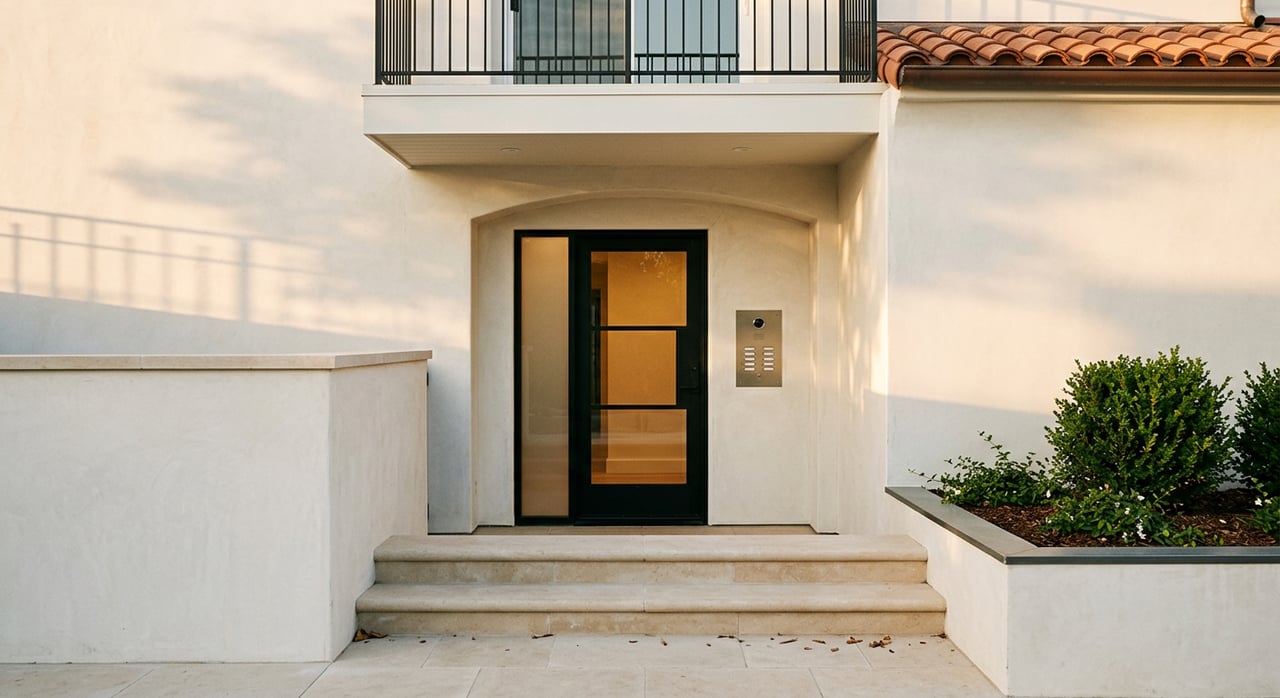
Want a home you can lock, leave, and get on with your life? In Walnut Creek’s urban core, that often means a condo or townhome steps from dining, shopping, and the BART station. If you value walkability, less exterior maintenance, and flexible travel, this guide lays out what to expect, what it costs, and how to buy with confidence. You’ll see where lock‑and‑leave living clusters, how HOA rules and insurance work, and a practical checklist to protect your purchase. Let’s dive in.
What lock‑and‑leave means in Walnut Creek
Property types and locations
Lock‑and‑leave living in Walnut Creek is most common in mid‑rise and high‑rise condos, stacked flats, and townhome‑style communities close to downtown and the Walnut Creek BART station. These buildings concentrate around Broadway Plaza and the core retail and dining corridors, which makes day‑to‑day errands simple and car‑optional. For many buyers, that convenience is the point.
Who chooses this lifestyle
Typical buyers include downsizers, frequent travelers, and busy professionals who want a secure, low‑maintenance base with easy access to transit and amenities. Proximity to shopping at Broadway Plaza is a frequent priority for convenience and future resale. You can explore the retail mix at Broadway Plaza to understand the lifestyle draw for this area by visiting the center’s overview on mallsandstores.info.
Why location matters
Buildings nearest BART and core downtown blocks tend to command stronger interest because they maximize walkability and reduce commute friction. Downtown Walnut Creek’s walkability is a standout in the East Bay, which is a key reason lock‑and‑leave living works well here. You can review downtown walkability context on Walk Score’s Walnut Creek page.
Market snapshot and value
Price context you can use
City data from the Bay East Association of REALTORS shows the median sale price for Walnut Creek condominiums and townhomes around $620,000 in August 2025. See the monthly MLS snapshot for detail and methodology in the Bay East report. Attached homes in downtown locations often trade at a premium to outlying complexes due to walkability and transit access, yet they still tend to sit well below local single‑family pricing. If you are comparing a condo to a detached home, this price gap is a useful starting point for budgeting and opportunity.
What helps resale
Buyer pools for downtown attached homes are generally stable when interest rates and jobs are steady. Proximity to Broadway Plaza and cultural venues like the Lesher Center helps marketing and showings because the lifestyle is easy to see and feel on foot. Units in communities with clear rules, healthy reserves, and straightforward parking tend to photograph and show well, which supports smoother resale.
Amenities that make it effortless
Services that support lock‑and‑leave
Features like on‑site management or a staffed front desk, secure building access, package lockers, and gated or garage parking reduce friction and worry when you travel. Pools, gyms, and concierge services add comfort but usually increase monthly dues. Decide which amenities you will actually use so you pay for what matters.
What HOA dues often cover
Monthly HOA assessments commonly include common‑area maintenance, management, master insurance for the building, landscaping, and contributions to reserves. Some communities include water and trash. In Walnut Creek, typical dues for standard condos often range around $300 to $900 per month, with some luxury or specialized communities higher. Always verify what is included in the building you are evaluating.
Due diligence that protects you
Request the right documents early
California’s Davis–Stirling Act requires associations to provide specific disclosures to buyers. Ask for the full resale packet as soon as you open escrow so you have time to review. The statute outlines what must be delivered to you, including governing documents, budgets, reserve summaries, notices, and more. You can read the document list in Civil Code §4525. Associations may charge reasonable fees and must comply with delivery timelines described in Civil Code §4530.
Key items to study in the packet:
- Reserve funding level and any identified major projects that could trigger special assessments.
- Master insurance summary and deductible details.
- The most recent budget and financial statements.
- HOA rules that affect daily life and guests, including parking and short‑term rental restrictions.
- Open‑session board minutes and recent communications that may reveal deferred maintenance, litigation, or policy changes.
Insurance basics for condo buyers
Most condo owners carry an HO‑6 policy to cover interior finishes, personal property, liability, and loss‑of‑use. The HOA’s master policy covers common areas and may cover portions of the structure. Confirm whether the master policy is “all‑in” or “bare walls,” and know the HOA’s deductibles before you bind your policy. Standard condo policies do not include earthquake coverage in California, so compare separate earthquake options and deductibles. For an overview of HO‑6 coverage, see this consumer explainer from Forbes Advisor.
Financing factors that affect your options
Some buyers use FHA or VA financing, which may require project‑level approval of the association. Even for conventional loans, lenders can have project eligibility criteria. Ask your lender to check the building’s approval status early so there are no surprises late in escrow. Project approval lists can change, so rely on current lender verification rather than old references.
Walkability, transit, and parking
BART access for work and play
Walnut Creek BART offers frequent regional service that connects you to Oakland and San Francisco. It is a major link in the Bay Area network, which is a core benefit for professionals who value time and predictability. You can learn more about BART’s regional role on the agency’s planning overview. Always check current schedules for your specific commute.
Street, garage, and guest parking
Downtown public and street parking is available but can be tight during peak retail hours. In many buildings, resident parking is assigned and guest stalls are limited. Before you write an offer, confirm your unit’s parking assignment, verify whether EV charging is allowed or available, and read the guest permit rules. If you plan to drive to BART at times, review current BART parking programs and availability before you rely on them.
Tradeoffs to weigh
Advantages that stand out
- Low exterior maintenance, since the HOA handles landscaping and the building exterior.
- Walkable access to restaurants, shopping at Broadway Plaza, theaters and cultural venues.
- Security conveniences like locked lobbies and package rooms that simplify travel.
Practical limitations
- Shared walls and typically less private outdoor space than a detached home.
- Monthly HOA dues and the possibility of special assessments.
- Parking and guest‑parking constraints in some downtown buildings.
Buyer checklist for Walnut Creek lock‑and‑leave
Request these documents and confirmations immediately after you open escrow:
- Full resale disclosure packet: CC&Rs, bylaws, rules, current budget, reserve study or summary, insurance summary, notices of violation, and the last 12 months of open‑session board minutes. See the required list in Civil Code §4525.
- Estoppel or payoff statement: shows current assessments, any delinquencies, and any approved or pending special assessments. Delivery timelines and fees are set in Civil Code §4530.
- Master insurance declarations: confirm “all‑in” versus “bare walls,” earthquake coverage status, and the HOA’s deductibles.
- Reserve study summary and recent financials: note percent funded and replacement schedule.
- Owner‑occupancy and rental percentage: some lenders and buyers prefer higher owner‑occupancy.
- Recent inspection or exterior‑element reports, where applicable.
- Parking and storage details: assigned stalls, guest‑permit rules, EV charging policy, and any storage locker assignments.
Operational checks for a smooth lock‑and‑leave lifestyle:
- How packages are handled and where they are stored.
- Access controls and whether there is on‑site management for emergencies.
- Rules for scheduling vendors when you are traveling.
Financial steps:
- Get a lender pre‑approval and ask the lender to review the project’s eligibility.
- Add HOA dues and any special assessments to your monthly cost plan.
Who this lifestyle fits
If you are downsizing, travel often, or want to reclaim time from yard work and exterior upkeep, lock‑and‑leave living can be a smart move. Single‑level floor plans, elevator access, and secure parking help many buyers live comfortably without sacrificing convenience. For proximity to healthcare, Walnut Creek’s John Muir Medical Center is nearby, which is a plus for buyers who want major services within a short drive. You can see location details on the hospital’s facility page.
Next steps
If you are comparing buildings or want a discreet assessment of which communities best fit your goals, let’s talk. As your advisor, I will help you surface the right on‑market and off‑market options, request the HOA documents early, and negotiate the details that matter to your lifestyle and resale. When you are ready, reach out to Ann Newton Cane to Request a Confidential Home Valuation or to discuss a targeted buying plan.
FAQs
What does “lock‑and‑leave” mean in Walnut Creek?
- In Walnut Creek’s urban core, it typically refers to condos and townhomes near downtown and BART that offer low exterior maintenance, secure access, and walkable amenities.
Are condos near Walnut Creek BART more expensive?
- Units closest to downtown and BART often command a premium for convenience and walkability, though attached homes still tend to price below single‑family homes in the area.
What HOA documents should I review before buying?
- Request the full resale packet required by California law, including CC&Rs, bylaws, rules, budgets, reserve summaries, insurance details, and recent open‑session board minutes per Civil Code §4525.
Do I need special insurance for a condo?
- Yes. Most owners carry an HO‑6 policy for interior finishes, personal property, and liability. Confirm how it coordinates with the HOA’s master policy and consider separate earthquake coverage. See Forbes Advisor’s HO‑6 guide.
How much are HOA dues in Walnut Creek?
- Dues vary by building and amenities. Many standard condos fall around $300 to $900 per month, with some luxury or specialized communities higher. Always verify inclusions and budget health.
Is downtown Walnut Creek walkable for daily errands?
- Yes. Downtown is notably walkable for dining and shopping, which enhances lock‑and‑leave convenience. Check area walkability context on Walk Score.
How does BART factor into daily life?
- Walnut Creek BART provides frequent regional service to key Bay Area job centers. Verify current schedules and, if needed, review parking options before you rely on them. Read more on BART’s planning page.