If you are buying or selling in Upper Rockridge, square footage only tells part of the story. In this hillside Oakland neighborhood, value often comes from how a home looks, lives, and fits its lot, especially when light, views, outdoor space, and fire-conscious upkeep all shape buyer perception. Understanding which architectural features support value can help you make smarter decisions, whether you are preparing a listing or evaluating your next move. Let’s dive in.
Why architecture carries weight in Upper Rockridge
Upper Rockridge is a high-value submarket where buyers tend to look beyond bedroom count and headline size. Recent neighborhood data places the median sale price around $1.8 million for the three months ending April 2026, with roughly $827 per square foot on Redfin and an average home value near $1.85 million on Zillow.
That pricing reflects more than basic housing inventory. Oakland planning materials describe Rockridge as a place shaped by early 20th-century roots, detailed materials, porches, balconies, sloping topography, and view corridors. In practical terms, buyers are often judging how well a home delivers the hillside lifestyle, not just how many rooms it has.
That is especially true in a neighborhood where site design matters. In Upper Rockridge, a house is rarely judged in isolation. Buyers notice how it meets the street, how it handles the slope, and whether outdoor areas feel purposeful and connected to the home.
How buyers read value here
Today’s buyers rely heavily on visual and layout information before they ever step inside. Research shows photos, detailed property information, and floor plans all play a major role in the home search, with floor plans rated very useful by 47% of internet-using buyers.
In Upper Rockridge, that means value often shows up in the details of daily living. A coherent layout, strong indoor-outdoor flow, and a home that makes smart use of a hillside lot can matter as much as the architectural label itself. Style helps get attention, but function helps justify price.
Mediterranean homes and value
What tends to hold value
Mediterranean and related Spanish Revival homes often stand out when their exterior identity remains intact. Features like stucco walls, clay tile roofs, low-pitched rooflines, arches, balconies, courtyards, and patios all help reinforce the style.
In Upper Rockridge, these homes tend to perform best when the slope works in their favor. Terraces, courtyards, and outdoor rooms can make a steep lot feel elegant and useful rather than challenging. When the exterior texture and roofline remain consistent, buyers often see a more complete architectural story.
What can weaken appeal
These homes can lose some of their edge when updates strip away their original exterior character. If patios feel disconnected, or the lot does not provide usable outdoor living areas, the style may feel less compelling in a neighborhood where indoor-outdoor living matters.
Traditional homes and value
Why period character matters
Traditional homes in Rockridge often include Craftsman and bungalow forms with a strong connection to the neighborhood’s architectural history. Oakland design materials point to features such as porches, stoops, modest proportions, low-pitched gables, broad eaves, exposed rafters, thick porch columns, and prominent wood trim.
These homes often draw stronger buyer interest when original details remain in place. Millwork, windows, built-ins, and porch character can all add to the home’s sense of authenticity. In this category, value is often tied to craftsmanship and preservation rather than sheer size.
Best opportunities for sellers
If you are selling a traditional home, the goal is usually not to erase its age. It is to highlight what makes it distinctive while improving the spaces buyers use every day. Well-presented original features, supported by a practical layout and strong photography, can make a meaningful difference.
Mid-century homes and value
The core value proposition
Mid-century homes usually trade on openness, light, and a strong relationship to the site. Hallmarks of modern architecture include large expanses of glass, open floor plans, long low forms, and a close connection to the landscape.
In Upper Rockridge, that often translates into homes that capitalize on views and natural light. Buyers tend to respond well when the original circulation and sightlines still make sense. When the architecture frames the landscape instead of fighting it, the style reads clearly.
Common value risks
Mid-century homes can lose value appeal when renovations interrupt what made them work in the first place. Chopped-up layouts, poorly placed additions, or diminished window walls can reduce the sense of openness that buyers expect from this style.
Contemporary homes and value
What buyers want to see
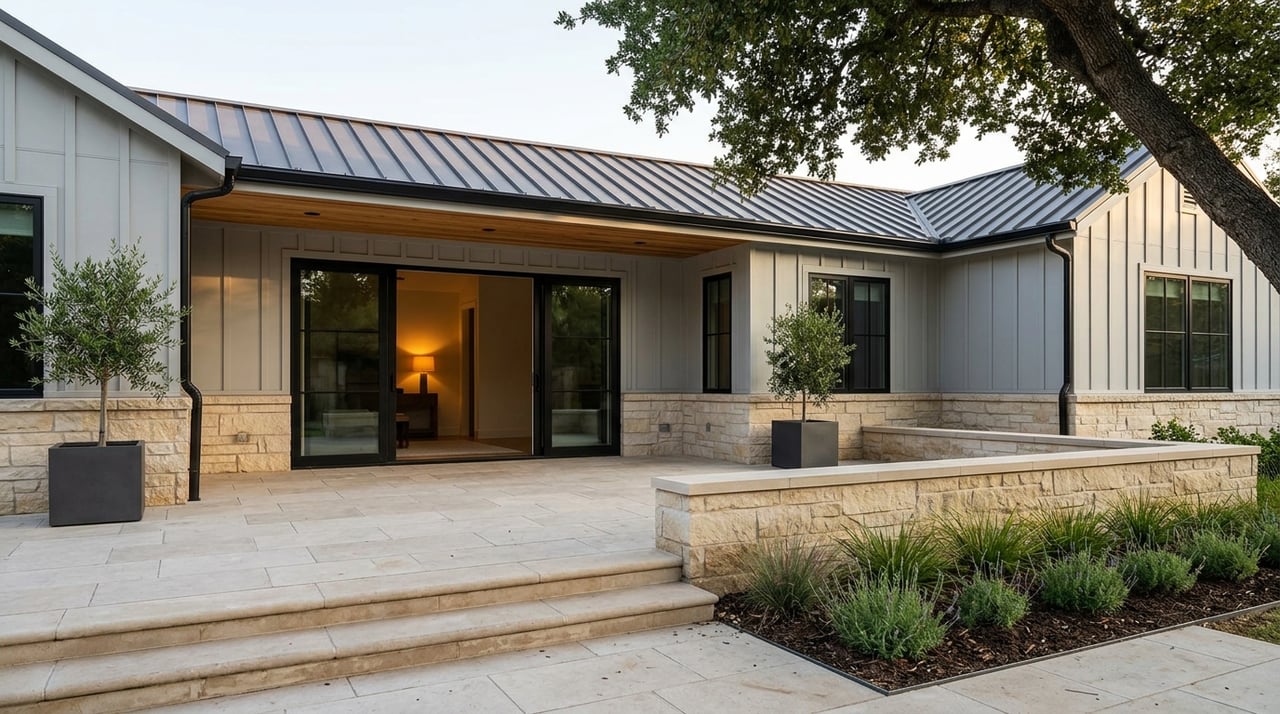
Contemporary homes in Upper Rockridge often compete on clean lines, privacy, and efficient site use. In a hillside setting, the strongest examples usually feel deliberate, with thoughtful transitions from street to entry, well-positioned outdoor space, and a clear relationship to view corridors.
Because Oakland’s design guidance emphasizes materials, balconies, rooflines, and street-to-lot transitions, contemporary homes tend to perform best when they respond to the lot in a disciplined way. Buyers often reward homes that feel custom to the site rather than generic.
Where pricing gets harder to defend
A newer home does not automatically command a premium just because it is contemporary. If a rebuild ignores the slope, lacks meaningful outdoor flow, or feels disconnected from the street, buyers may question the pricing more quickly.
The value levers that matter most
Layout and flow
In Upper Rockridge, floor plan quality can influence value as much as architecture. Bedroom placement, storage, primary suite location, kitchen connection, and overall circulation all shape how a house lives day to day.
That matters because buyers often study the layout before they visit. A beautiful exterior can create interest, but a confusing plan can limit demand once buyers start comparing options.
Usable outdoor space
Outdoor space is a major value driver, but only when it functions well. Decks, terraces, patios, and yards tend to matter most when they feel like real extensions of the home instead of leftover hillside areas.
This is one of the clearest places where architecture and site planning overlap. A home that creates comfortable outdoor living on a sloped lot often feels more complete and more valuable.
Original character
Original character can support value when it is in good condition and presented well. Oakland’s preservation guidance encourages maintaining older buildings and their character-defining features, and some qualifying historic properties may use tools such as the California Historical Building Code or Mills Act.
For sellers, that means original details are not necessarily liabilities. In many cases, they are part of the reason a home stands apart from nearby alternatives.
Fire-conscious maintenance
In Upper Rockridge, curb appeal also has a practical side. Oakland says parcels in the Wildland-Urban Interface Fire Area must maintain defensible space, and the city expanded its Very High Fire Hazard Severity Zone to cover the full WUI Fire Area in June 2025.
Oakland’s home-hardening guidance recommends measures such as enclosing open eaves and using noncombustible soffits. For buyers, that can influence how they think about future maintenance. For sellers, it means a beautiful home may present more strongly when it also signals fire awareness and manageable upkeep.
Why Upper Rockridge has mixed architectural eras
Part of Upper Rockridge’s architectural range comes from history. The 1991 Oakland Hills firestorm destroyed more than 3,000 homes, and Oakland planning documents note that much of the city’s 1990s construction was replacement housing in the fire area.
That helps explain why older period homes and later contemporary homes can coexist in the same broader area. It also helps explain why buyers here often compare homes across style categories, then focus on which one best delivers views, layout, outdoor space, and condition.
What this means if you are selling
If you are preparing to sell in Upper Rockridge, preserving the features that define your home’s style is often a smart starting point. The most effective updates usually improve daily livability without stripping away the architectural identity buyers came to see.
That may mean emphasizing original millwork in a Craftsman, restoring outdoor terraces in a Mediterranean, protecting sightlines in a mid-century home, or refining the street approach of a contemporary property. In every case, the strongest pricing case usually comes from the combination of style, site, condition, and function.
For higher-value homes, presentation also matters. Professional photography, strong floor plans, and clear positioning can help buyers understand why a property lives differently from other homes at a similar price point.
What this means if you are buying
If you are buying in Upper Rockridge, the better question is usually not which style is best in the abstract. The better question is which style delivers the lifestyle you will actually use.
You may love the warmth of a traditional porch, the symmetry of a Mediterranean courtyard, the openness of a mid-century plan, or the privacy of a contemporary hillside design. What matters most is whether the home’s architecture supports the way you want to live, especially on a sloped lot where layout and outdoor function carry real weight.
In a market at this price level, small differences in site use and design coherence can have outsized effects. That is why a thoughtful, comp-based read of value matters more than relying on style alone.
In Upper Rockridge, architecture is not just aesthetic. It is part of how buyers judge quality, usability, maintenance, and long-term value. If you want clear guidance on how your home’s style may affect its market position, or you want help evaluating a purchase through that lens, Ann Newton Cane can help you navigate the details with discretion and precision.
FAQs
How does architecture affect home value in Upper Rockridge?
- Architecture affects value in Upper Rockridge because buyers often weigh style, layout, views, outdoor usability, and how well a home fits a hillside lot, not just square footage.
Which architectural styles are common in Upper Rockridge?
- Upper Rockridge includes traditional homes such as Craftsman and bungalow properties, along with Mediterranean, mid-century, and contemporary homes.
Why do outdoor spaces matter for Upper Rockridge homes?
- Outdoor spaces matter because decks, terraces, patios, and yards can add value when they function as true living areas and work well with the slope of the lot.
Do original details help a traditional Upper Rockridge home sell?
- Original details can help because features like millwork, built-ins, windows, and porch character often support authenticity and buyer appeal when they are well maintained.
How do wildfire considerations affect home value in Upper Rockridge?
- Wildfire considerations affect value because buyers may pay close attention to defensible space, home-hardening features, and whether a property suggests manageable ongoing maintenance in the WUI Fire Area.
Are contemporary homes always worth more in Upper Rockridge?
- Contemporary homes are not automatically worth more, because pricing depends on how well the design responds to the lot, views, street presence, outdoor flow, and overall functionality.