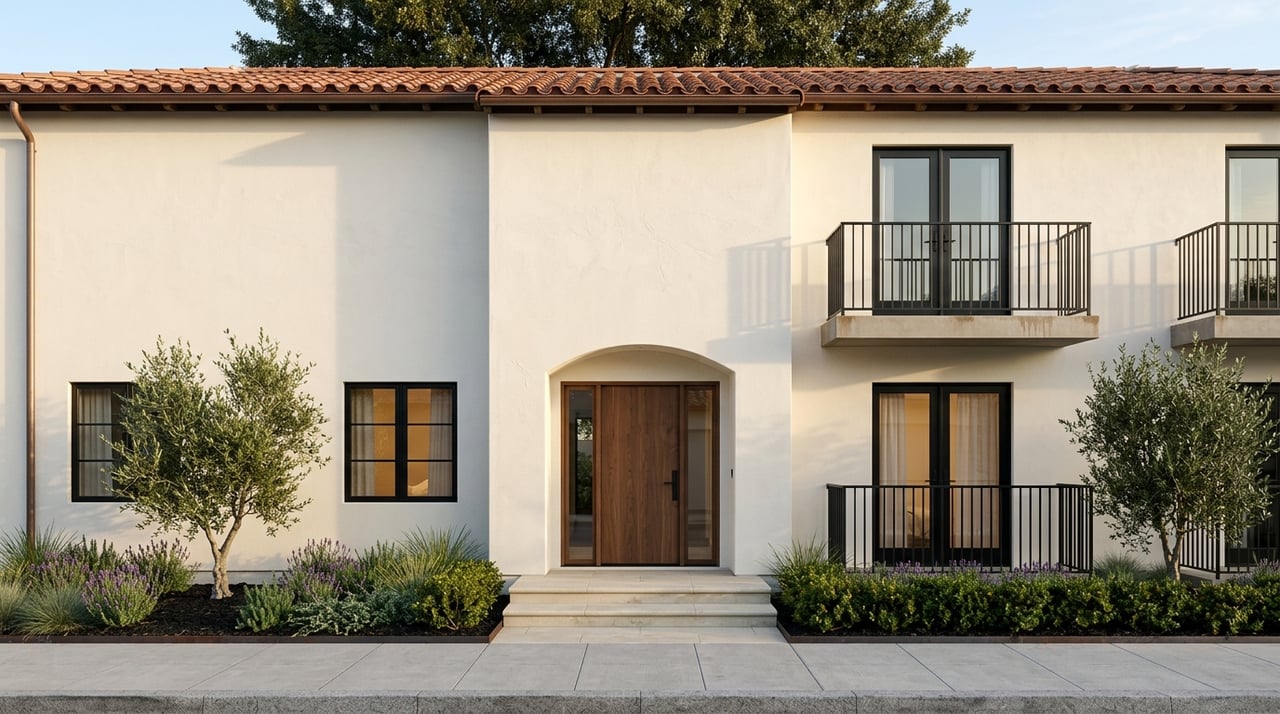
If you love Rockridge, downsizing does not have to mean giving up the rhythm of daily life that keeps you rooted. You may be looking for less upkeep, a simpler floor plan, or a better fit for the next chapter, but still want easy access to College Avenue, Rockridge BART, and the places you know well. The good news is that staying local is possible, though it often takes a clear plan and realistic expectations in a premium market. Let’s dive in.
Why staying in Rockridge is challenging
Rockridge offers a rare mix of residential streets, a strong commercial corridor along College Avenue, and direct BART access at 5660 College Avenue. That combination keeps demand high for buyers who want convenience without leaving the neighborhood feel behind.
Pricing reflects that demand. Redfin reports a median sale price of $1.95 million in the three months ending May 2026, with homes moving in a median of 14 days and only 9 homes sold in May. If you want to downsize and stay in Rockridge, you are still shopping in a very competitive, high-price environment.
What downsizing can look like locally
Downsizing is not one-size-fits-all in Rockridge. For some homeowners, it means moving from a larger detached home into a smaller house nearby. For others, it means trading square footage for lower maintenance, easier access, or a simpler monthly routine.
The key is to define what “right-sized” really means for you. That could be fewer stairs, less yard work, dedicated parking, better transit access, or enough storage to support a comfortable daily life without extra unused space.
Smaller detached homes
If you still want the privacy and independence of a house, a smaller detached home can be the best fit. The tradeoff is that inventory is limited, and the homes that do come up often sell quickly.
That means flexibility matters. You may need to be open to differences in lot size, condition, layout, or exact square footage if your goal is to remain in the immediate Rockridge area.
Condos near Rockridge amenities
For many downsizers, condos offer the clearest path to staying close to Rockridge while reducing upkeep. You can often cut back on exterior maintenance and keep access to College Avenue, BART, and nearby transit.
Still, the monthly budget deserves a close look. Condo ownership usually includes HOA dues in addition to your mortgage, and the California Department of Real Estate notes that HOAs also may levy special assessments when needed. A lower purchase price does not always mean a lower total monthly carrying cost.
TICs as a niche option
Tenancy-in-common, or TIC, ownership is another structure that appears in the East Bay, including Rockridge. In a TIC, multiple owners hold undivided interests in a property rather than owning separate deeded units.
This can create a way to stay in a preferred location when condo inventory is thin. However, the California Department of Real Estate explains that financing can be harder because fewer lenders want to underwrite a single TIC share. For many buyers, that added complexity makes TICs a more specialized option rather than a default choice.
Looking just beyond Rockridge
If your priority is staying close to your routines rather than staying within one neighborhood boundary, nearby areas may widen your options. Rockridge’s transit links make parts of Berkeley and nearby Oakland neighborhoods part of the same lifestyle search.
UC Berkeley transportation information shows that AC Transit 51B serves Rockridge BART, Elmwood, Southside and Telegraph Avenue, Downtown Berkeley, and University Avenue. Service along College Avenue and Claremont Avenue can make nearby pockets feel much more connected than they might appear on a map.
Price differences can be significant
The biggest reason to expand your search radius is pricing. Berkeley’s 2025 single-family median sale price was $1.265 million, while Temescal’s median sale price was $1.2 million over the three months ending May 2026. Claremont, by contrast, posted a median sale price of $2.25 million over the same period.
That means a move within the broader Rockridge and Berkeley area can lead to a lower price point, a similar price point, or even a higher one depending on the exact block and property type. If you are downsizing for lifestyle reasons, cost savings may happen, but they should not be assumed.
Lifestyle matters as much as price
A smaller home that keeps you near transit, shops, and daily errands may preserve more of your quality of life than a larger home farther away. For many downsizers, that trade can feel worthwhile even if the price per square foot stays high.
This is especially true around Rockridge Station, which offers AC Transit connections, parking, bike racks, and bike lockers. A home near these amenities can help you maintain convenience while reducing maintenance demands.
How to compare your downsizing options
When you evaluate homes, it helps to look beyond bedroom count and headline price. The best choice is often the property that fits how you want to live now, not how you lived ten or twenty years ago.
Here are a few practical filters to use as you compare options:
- Stairs and ease of movement day to day
- Parking access and guest parking needs
- Storage for what you plan to keep
- Exterior and interior maintenance burden
- Monthly HOA dues, if any
- Risk of special assessments in shared-interest properties
- Transit access and proximity to College Avenue
- Financing fit, especially for TIC properties
Due diligence is especially important
Downsizing often sounds simpler than it feels in practice. In Rockridge, where inventory is tight and pricing is premium, it is important to understand the full ownership picture before you commit.
What to review for condos
The California Department of Real Estate advises buyers in common-interest developments to review the public report, CC&Rs, HOA budget, reserve information, and assessment rules. Those documents can help you understand how the property is managed and whether monthly costs are likely to stay predictable.
The same guidance matters even more in older buildings or conversion projects. The DRE notes that major repair needs can be hidden in roofs, plumbing, electrical systems, and other infrastructure, so a polished interior should never be the only factor in your decision.
What to review for TICs
With TICs, the key questions are different. You will want to understand who controls occupancy rights, how shared expenses are handled, and whether lenders are available for the structure.
Because TIC financing and resale can be more limited than a standard condo purchase, clarity upfront is essential. A TIC may work well for the right buyer, but it requires more scrutiny at the front end.
Timing your sale and purchase carefully
For many homeowners, sequencing is one of the biggest downsizing decisions. Consumer guidance from the CFPB says that if you want to move, you normally try to sell your current home before buying another one.
In a market like Rockridge, that approach can be especially practical. It lets you convert home equity into the next down payment and reduces the chance that you will carry two homes at once.
Budget for more than the purchase price
A right-sized home can still come with costs that catch people off guard. The CFPB reminds buyers to budget for closing costs, moving costs, repairs, and other ownership expenses.
That matters whether you are buying a condo, a smaller house, or a TIC. If monthly costs, move-in work, or transition expenses are not accounted for early, the move can feel much less simple than expected.
When a rent-back can help
If your current home sells before your next place is ready, a rent-back may help bridge the gap. In a rent-back, the seller stays in the home after closing for a set period as a renter under written terms.
This can create breathing room when timing does not line up perfectly. For downsizers who want to avoid a rushed move, that extra flexibility can be very useful.
A smart Rockridge downsizing plan
The most successful local downsizing moves usually start with clarity, not compromise. If you know what you need to keep, what you are ready to let go of, and what costs matter most, you can evaluate options with more confidence and less stress.
In Rockridge, staying local may mean choosing between a smaller detached home, a condo, or a more niche structure like a TIC. It may also mean widening your search slightly along the College or Claremont corridors to preserve the lifestyle you want while opening up more pricing and inventory possibilities.
If you are considering a move in Rockridge or nearby East Bay neighborhoods, Ann Newton Cane can help you evaluate timing, pricing, and the right local strategy with discretion and clear guidance.
FAQs
What does downsizing in Rockridge usually cost?
- Rockridge remains a premium market, with a median sale price of $1.95 million over the three months ending May 2026, so downsizing locally does not always mean a low-cost move.
What are the best home types for downsizing in Rockridge?
- Common options include smaller detached homes, condos, and in some cases TIC properties, with the right fit depending on your budget, maintenance goals, and financing needs.
What should you review before buying a condo near Rockridge?
- You should review the public report, CC&Rs, HOA budget, reserve information, and assessment rules, along with the building’s overall condition.
What is a TIC property in the Rockridge area?
- A TIC is a tenancy-in-common property where owners hold undivided interests in a building rather than separate deeded units, which can create more financing and resale complexity.
Should you sell your current home before buying a downsizing home in Rockridge?
- In many cases, selling first is the cleaner approach because it unlocks your equity for the next purchase and lowers the risk of carrying two homes at the same time.