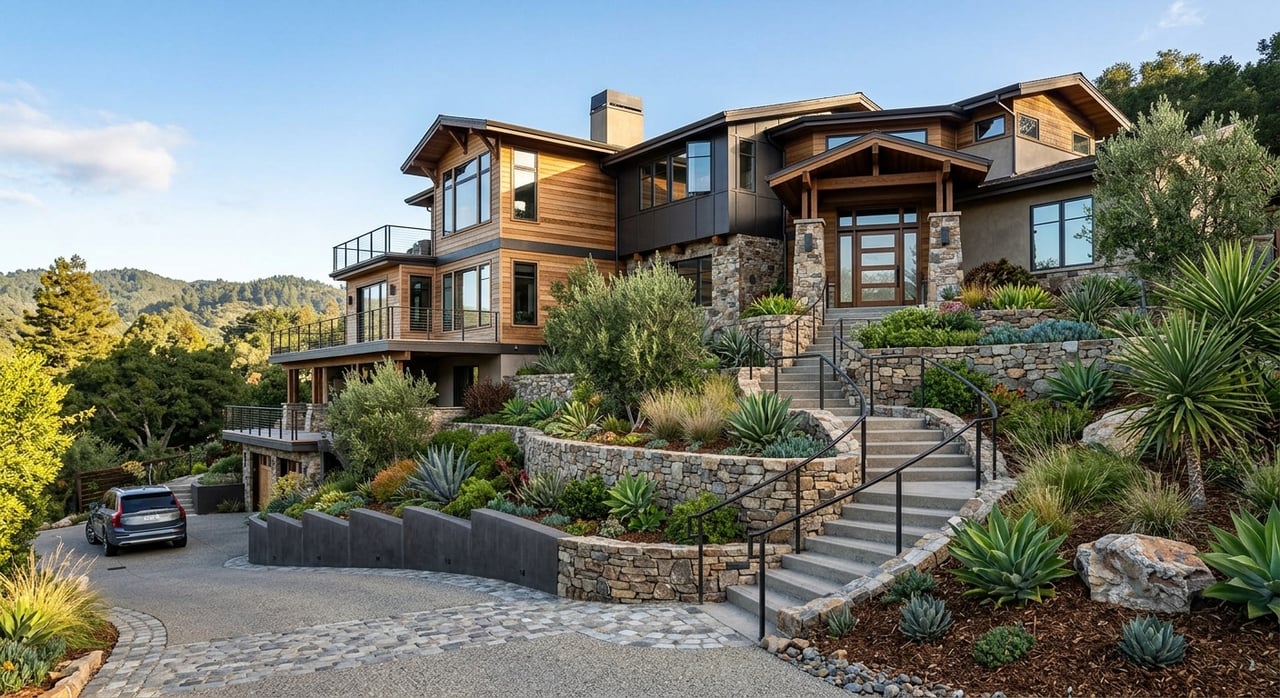
Choosing between Berkeley Hills and Claremont is not just about finding a beautiful address. It is about deciding how you want your everyday life to feel. If you are weighing views, architecture, walkability, and access, this guide will help you compare the two with more clarity and confidence. Let’s dive in.
Berkeley Hills vs Claremont at a Glance
Both Berkeley Hills and Claremont sit within Berkeley’s hillside overlay zone, which means each area shares some important physical realities. The City identifies steep topography, narrow and winding streets, higher fire risk, and transportation and evacuation challenges across these hillside areas. That shared setting gives both neighborhoods a distinctive character, but it does not make them interchangeable.
In daily life, the difference is fairly straightforward. Berkeley Hills tends to feel more view-driven, private, and car-oriented, while Claremont feels more connected to neighborhood retail and local destinations. For many buyers, that lifestyle distinction matters more than anything else.
Berkeley Hills Daily Experience
Berkeley Hills terrain and access
The Berkeley Hills are the more explicitly hillside part of this comparison. Streets are often narrow, winding, and shaped by steep topography, which creates a dramatic setting but also affects how you move through the neighborhood. Berkeley’s Green Code findings note that hillside homes are often reached by narrow paved streets that can hamper fire apparatus access and evacuation.
That terrain shapes your routines. You may gain sweeping outlooks and a stronger sense of separation from busier commercial areas, but you also need to be comfortable with a more car-dependent pattern and the realities of hillside emergency planning. During Extreme Fire Weather, the City advises hillside residents to leave early.
Berkeley Hills architecture and setting
If architecture matters to you, Berkeley Hills has a strong identity. Berkeley Architectural Heritage Association describes the hills as home to the brown-shingle and First Bay Region tradition associated with Bernard Maybeck and the Hillside Club. Later modern architecture also appears in pockets throughout the hills.
What makes the area memorable is how closely the homes connect to the land. Steep lots, bay views, and houses designed to sit into the landscape all contribute to a distinctly Berkeley feel. In many cases, the architecture and topography are part of the same story.
Berkeley Hills shops, transit, and parks
The tradeoff for scenery and privacy is convenience. UC Berkeley’s neighborhood guide notes that the hills have bay views and winding streets, but steep terrain and a lack of nearby shops usually mean residents rely on a car. Buses serve the area, yet infrequent service and limited routes can make transit less practical for day-to-day errands.
What you gain instead is access to some of Berkeley’s most scenic outdoor settings. The hills include rock parks and overlooks such as Indian Rock, Remillard, and Terrace View. If your ideal neighborhood includes dramatic outdoor moments and a quieter residential feel, Berkeley Hills stands out.
Claremont Daily Experience
Claremont access and neighborhood pattern
Claremont is also in the hillside overlay zone, but it functions differently. Rather than feeling fully removed from activity, it acts more like a transition between hillside residential streets and neighborhood-serving commercial areas. City materials identify Claremont Avenue as a collector and secondary transit route, and the City is planning safety improvements there near neighborhood destinations.
That gives Claremont a more connected rhythm. You still get a residential hillside setting, but you are generally closer to small commercial pockets and everyday destinations. For many buyers, that makes the area feel easier to live in on a daily basis.
Claremont architecture and character
Claremont has a layered architectural identity that feels historic and established. A Berkeley Landmark report describes the Parkside Claremont area as having varied examples of early 20th-century architecture, including Berkeley’s brown-shingle tradition. The Claremont neighborhood association also notes landmark entry gates and pillars by John Galen Howard, along with the landmark status of the Claremont Hotel.
In practical terms, that translates into a neighborhood with a recognizable street-to-street character. Large homes, historic details, and an established visual identity give Claremont a distinct sense of place. If you want hillside charm with a more neighborhood-scaled feel, this can be a compelling fit.
Claremont shops, dining, and open space
Claremont offers a stronger neighborhood-retail feel than many addresses higher in the hills. UC Berkeley describes the adjacent Elmwood district as a place with gift shopping, international restaurants, and a movie theater. City planning work around Claremont also focuses on safer crossings near neighborhood destinations, reinforcing the area’s connection to local activity.
Outdoor access here is present, but it is more neighborhood-scale. Monkey Island is a flat lawn on Claremont Boulevard, and Oak Park is a small landscaped open space. That supports a calm residential environment rather than the overlook-oriented park experience you find farther up in Berkeley Hills.
Lifestyle Differences That Matter
Choose Berkeley Hills for views and privacy
Berkeley Hills may be the stronger fit if you want a home that feels set apart. The area appeals to buyers who value dramatic views, a stronger sense of retreat, and architecture that responds to the hillside landscape. It also suits people who are comfortable with a car-oriented lifestyle and the need for wildfire and evacuation planning.
If your vision of home includes winding roads, outlooks over the Bay, and a setting that feels distinct from commercial activity, Berkeley Hills delivers a very specific experience. It is less about convenience and more about atmosphere.
Choose Claremont for charm and access
Claremont may be the better match if you want historic character with easier access to neighborhood life. The area offers a hillside feel, but it is more closely tied to commercial pockets and the College Avenue corridor. That can make dining, errands, and casual outings feel simpler and more integrated into your week.
For buyers who want architectural charm without feeling too removed, Claremont often strikes the balance well. It is a neighborhood where residential character and local access can coexist.
What Both Areas Share
It is important to understand that these neighborhoods also have meaningful similarities. The City’s hillside analysis suggests both areas skew more owner-occupied and higher-income than Berkeley overall. That means the choice is generally not about starter home versus luxury market.
Instead, the decision is usually more refined. You are comparing view and seclusion against historic walkability and neighborhood retail access. Both can be exceptional addresses, but they support different versions of everyday living.
How to Decide With Confidence
If you are comparing Berkeley Hills and Claremont, start by thinking beyond the house itself. Ask yourself how often you want to walk to neighborhood destinations, how much you value views, and whether steep streets and emergency-preparedness planning feel manageable for your lifestyle. Those questions often reveal the better fit faster than square footage alone.
A smart purchase in this part of Berkeley is usually about alignment. When the setting, access, and home style match how you actually live, the right address becomes much clearer.
In a market where nuance matters, local perspective can make all the difference. If you are considering a move in Berkeley or the broader East Bay, Ann Newton Cane offers discreet, data-driven guidance for buyers and sellers who want a strategic edge.
FAQs
What is the main difference between Berkeley Hills and Claremont in Berkeley?
- Berkeley Hills is generally more view-oriented, secluded, and car-dependent, while Claremont offers a historic residential feel with easier access to neighborhood shops, dining, and local destinations.
Is Berkeley Hills or Claremont more walkable for daily errands?
- Claremont is typically more practical for daily neighborhood access because it sits closer to commercial pockets and the College Avenue corridor, while many Berkeley Hills addresses have fewer nearby shops and rely more on a car.
Do Berkeley Hills and Claremont share hillside risks in Berkeley?
- Yes. Both are within Berkeley’s hillside overlay zone, where the City notes steep topography, narrow streets, higher fire risk, and transportation and evacuation challenges.
What kind of architecture is common in Berkeley Hills?
- Berkeley Hills is known for brown-shingle and First Bay Region architecture, along with pockets of later modern design, often shaped closely by steep lots and bay-view settings.
What kind of architecture defines Claremont in Berkeley?
- Claremont is known for a layered early 20th-century character that includes brown-shingle traditions, large historic homes, and notable landmark features that contribute to a strong neighborhood identity.
Which Berkeley neighborhood is better for views, Berkeley Hills or Claremont?
- Berkeley Hills is generally the stronger fit if your priority is dramatic views and a more distinct hillside setting.
Which Berkeley neighborhood is better for access to shops and dining, Berkeley Hills or Claremont?
- Claremont is usually the better fit if you want easier access to neighborhood commercial pockets, Elmwood-area amenities, and a more connected day-to-day pattern.